
Illustration
Connected workflow and case-operations system
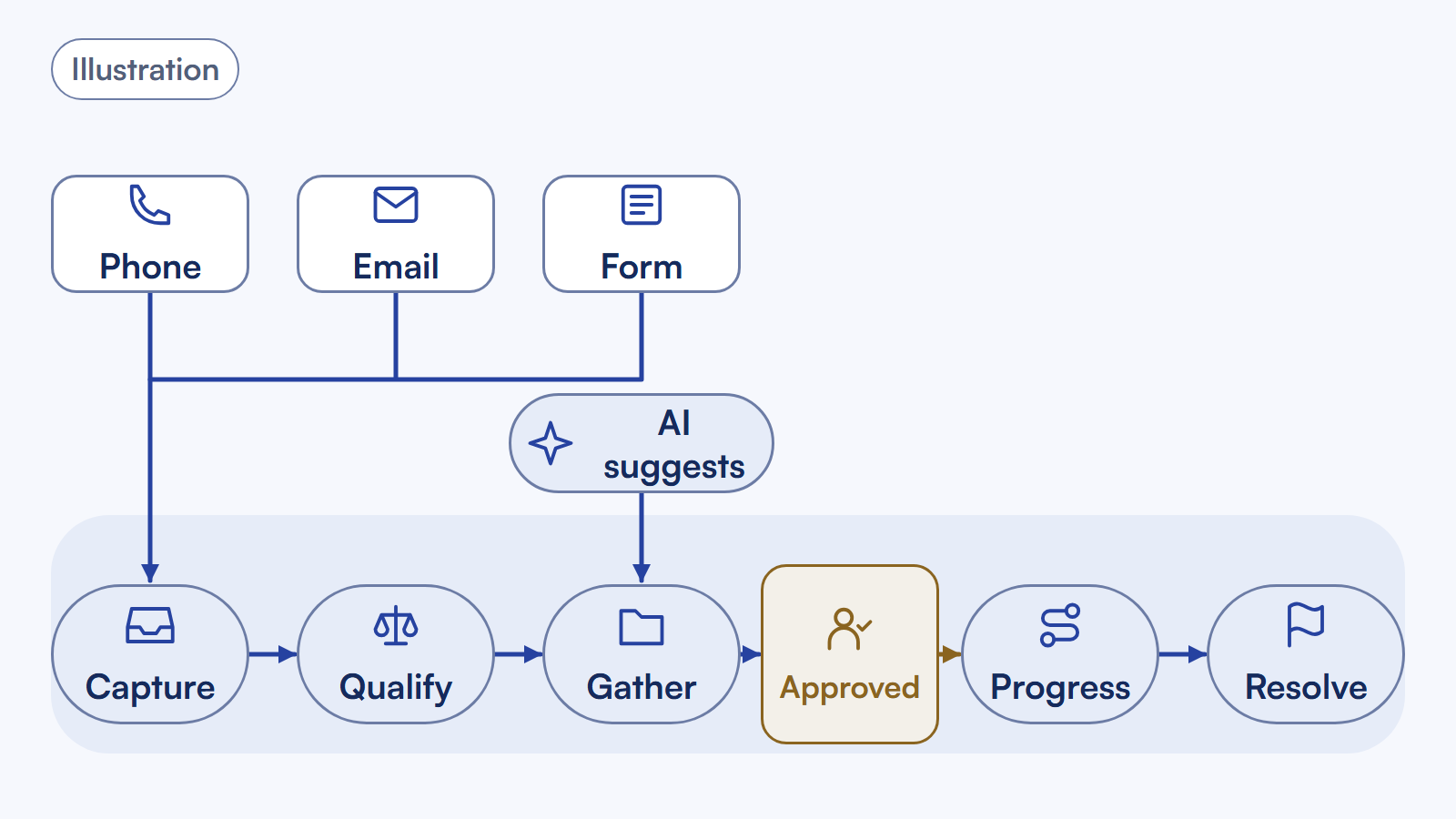
Agentic Legal Case Lifecycle
An anonymized system architecture coordinating intake, matter progression, documents, communication, approvals, and resolution workflows.
Hamza Khan Independent engineer
I work with legal-tech founders, law firm leaders and in-house legal teams to build AI products and agents, connect legal workflows and improve existing software—with security, human review and clear ownership.
Work with your existing tools where practical,
with clear access, review and ownership.
intake-agent · change set
+ POST /intake
+ matter permissions
+ action audit log
Spec agreed
Acceptance criteria signed off
Build
API, data model and permissions
Checks
Tests pass before release
Release
Shipped with handover notes
Delivered work / Legal intake
For a US personal-injury firm, I built an intake workflow that brings calls, emails and documents into one record, prepares missing-information checks and follow-up drafts, and keeps consequential decisions with the responsible person.
Read the delivered intake case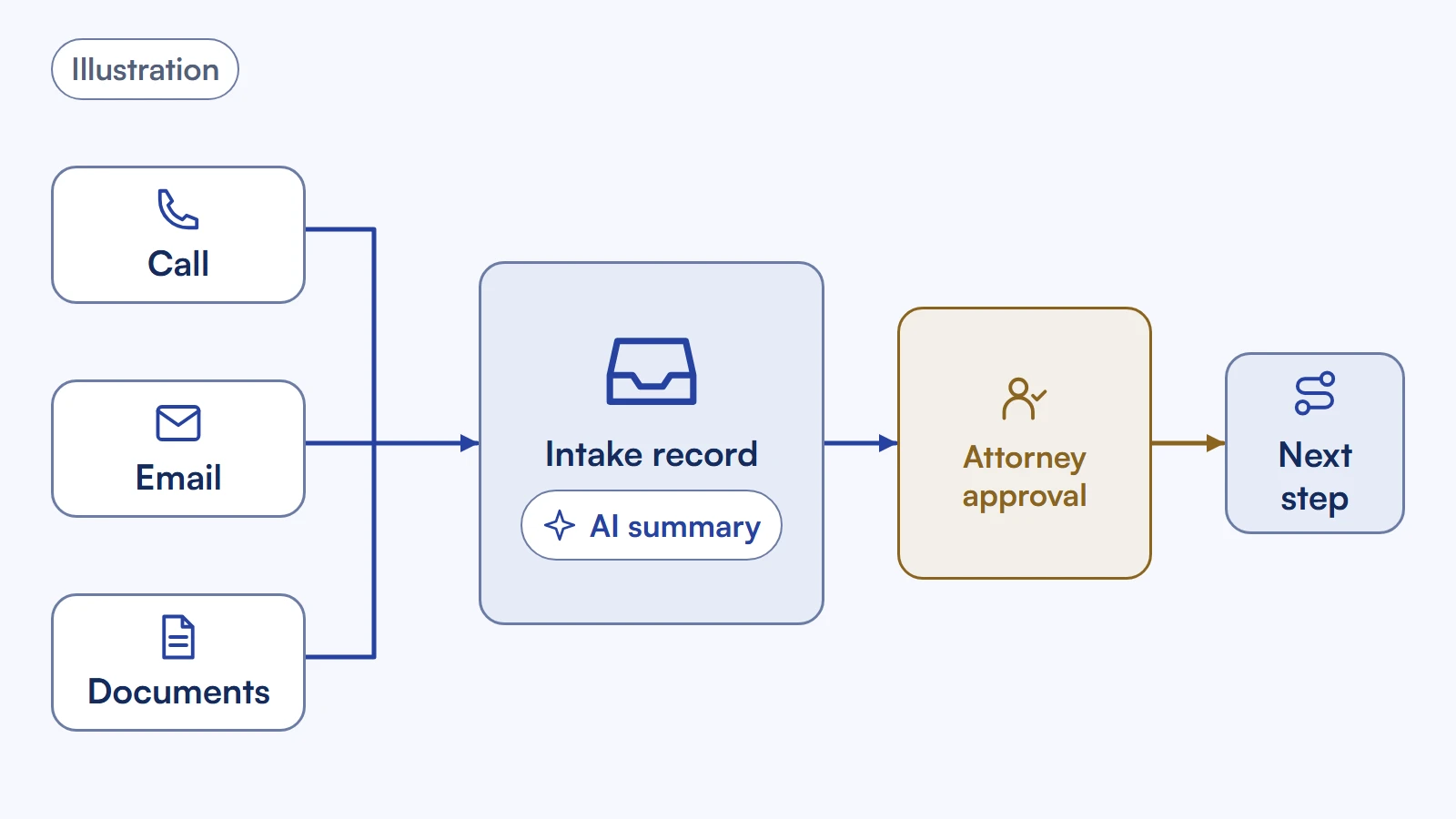
Delivered work
Over the last three years, I have delivered intake, agentic case management, document intelligence and multi-tenant software for different law firms, with continued improvements after launch.
Illustration
Connected workflow and case-operations system
An anonymized system architecture coordinating intake, matter progression, documents, communication, approvals, and resolution workflows.
Illustration
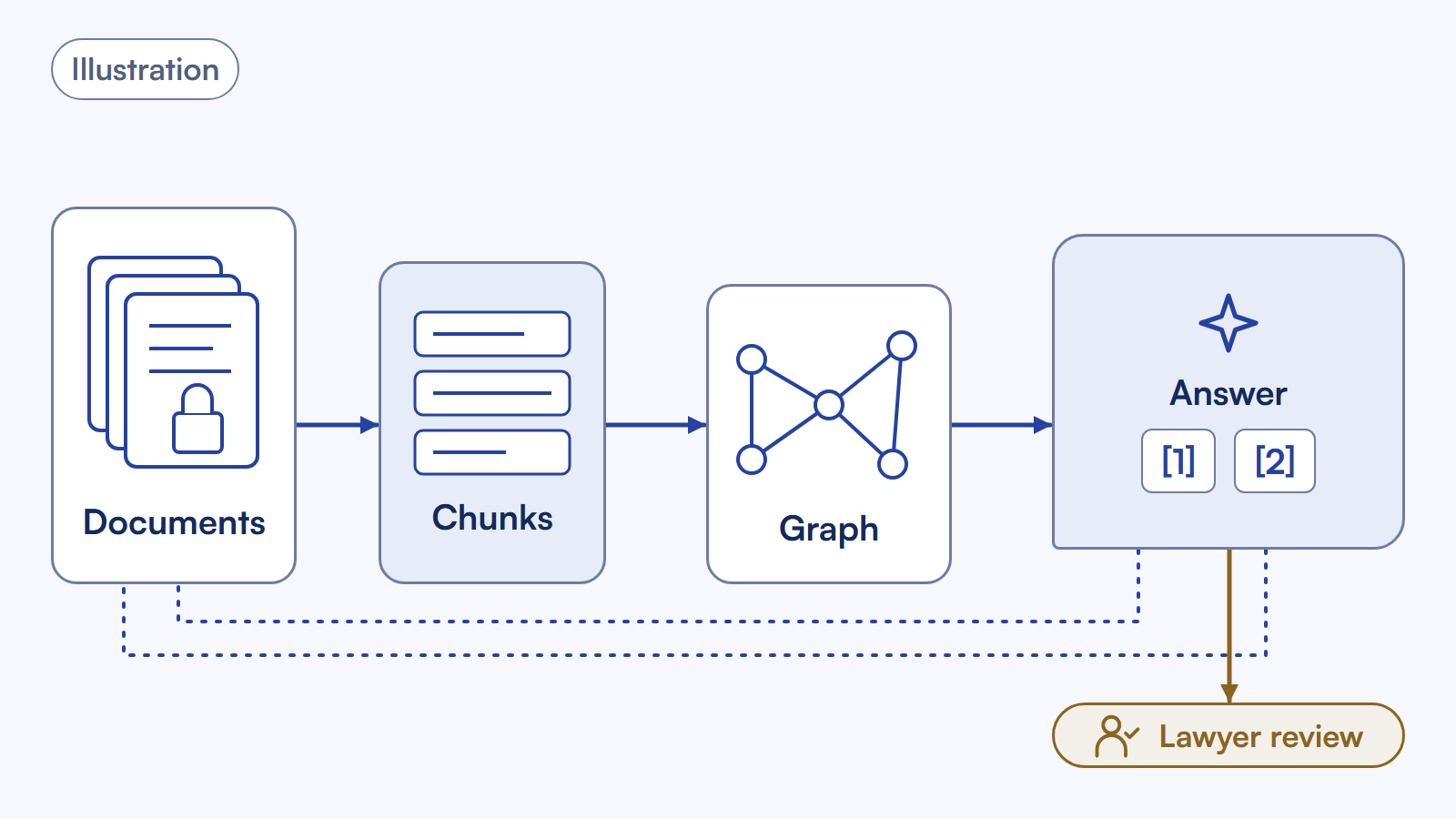
Document intelligence and legal knowledge system
An anonymized document and knowledge architecture designed for grounded retrieval, source visibility, structured relationships, and permissions-aware access.
Illustration
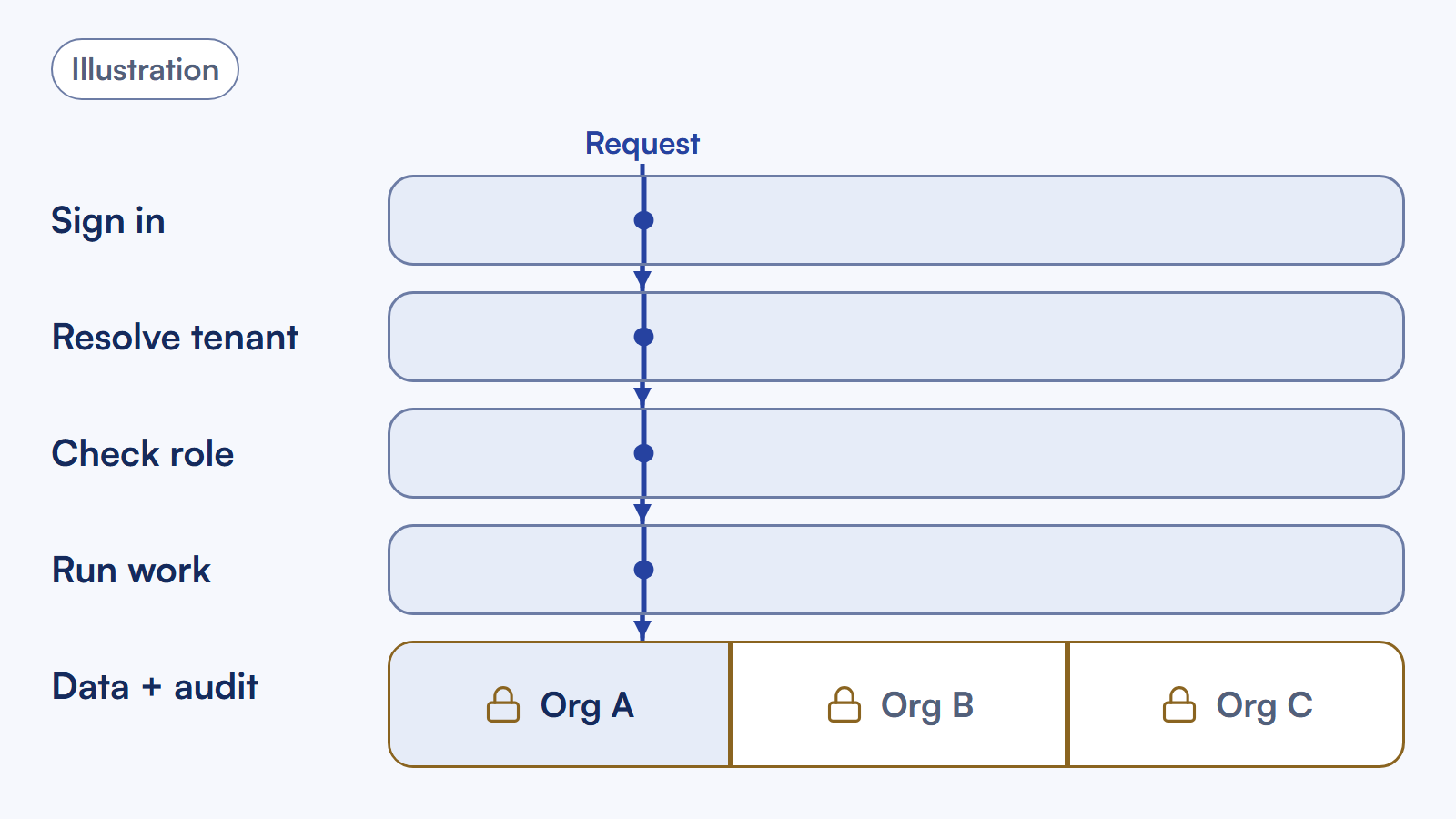
Multi-tenant legal-tech SaaS platform
An anonymized product architecture for tenant-aware legal workflows across web, mobile, backend, AI services, integrations, and cloud operations.
Built with
 OpenAIGPT models
 AnthropicClaude models
 GeminiGoogle AI models
 Mistral AIOpen AI models
 Perplexity AIAI search
 LangChainAI agent workflows
 LLamaPrivate AI models
 PyTorchCustom AI models
 TensorFlowMachine learning
 Apache SparkLarge-scale data
 PostgreSQLSecure databases
 MySQLDatabases
 MariaDBDatabases
 SQLiteLightweight databases
 MongoDBFlexible databases
 CassandraHigh-volume data
 RedisFast caching
 PrismaSafe database access
 SupabaseBackend & auth
 FirebaseApp backend
 AWSCloud hosting
 Microsoft AzureCloud hosting
 GCPGoogle Cloud
 OCIOracle Cloud
 VercelWebsite hosting
 NetlifyWebsite hosting
 CloudflareSpeed & protection
 DigitalOceanCloud servers
 RailwayApp hosting
 HerokuApp hosting
 DockerPortable apps
 KubernetesScaling apps
 TerraformInfrastructure as code
 AnsibleServer automation
 GitVersion history
 GithubCode collaboration
 GitHub ActionsAutomated releases
 GitLab CI/CDAutomated releases
 BitbucketCode collaboration
 CircleCIAutomated testing
 Travis CI/CDAutomated testing
 JenkinsBuild automation
 EthereumBlockchain
 PolygonBlockchain
 SolanaBlockchain
 Binance SCBlockchain
 Hyperledger FabricPrivate blockchain
 AlchemyBlockchain access
 MoralisBlockchain data
 HardhatSmart contract builds
 Truffle SuiteSmart contract builds
 GanacheBlockchain testing
 TenderlyContract monitoring
 OpenZeppelinSecure contracts
 MythxContract security scans
 MetaMaskCrypto wallets
 Trust WalletCrypto wallets
 ReactInteractive screens
 Next.jsFast websites
 Vue.jsWeb interfaces
 AngularLarge web apps
 SvelteLight web apps
 AstroContent websites
 RemixWeb apps
 NuxtJSFast websites
 ReduxApp state
 HTML5Web pages
 CSS3Page styling
 SassPage styling
 Tailwind CSSClean, consistent design
 BootstrapReady-made layouts
 Material UIReady-made components
 Ant DesignBusiness dashboards
 Babylon Js3D in the browser
 SanityContent your team edits
 StrapiContent management
 Node.jsServers & APIs
 ExpressJSAPIs
 NestJSStructured back ends
 GraphQLFlexible APIs
 tRPCType-safe APIs
 FastAPIPython APIs
 FlaskPython web apps
 DjangoPython web apps
 LaravelPHP web apps
 Ruby on RailsWeb apps
 ASP.NetMicrosoft web apps
 Spring BootEnterprise back ends
 PythonAI & automation
 TypeScriptReliable app code
 JavaScriptWeb code
 JavaEnterprise systems
 PHPWeb code
 GoFast services
 RustSafe, fast code
 C++High-performance code
 C#Microsoft apps
 HaskellPrecise codeReact NativeiPhone & Android apps
 FlutteriPhone & Android apps
 ExpoMobile app releases
 SwiftiPhone apps
 KotlinAndroid apps
 AndroidAndroid apps
 IonicHybrid mobile apps
 Framework7Hybrid mobile apps
 XamarinMicrosoft mobile apps
The tools behind the work, with what each one does in plain words.
Services / Three ways to start
AI agents, application security and product engineering, built by the engineer you speak to.
AI agents
Build agentic workflows that connect your tools to prepare answers, drafts and tasks, with agreed permissions and human review before consequential actions.
Cybersecurity
Authorized testing that finds weaknesses in your web, API and AI systems before clients rely on them.
Engineering
Improve the software your team already runs, or build a new product. Define the features, integrations and reliability work around a clear delivery scope.
Who I work with
For legal-tech founders and product teams
Turn a product idea into working software, add AI to an existing platform, or connect the systems behind it. I work alongside your team from architecture through delivery.
For law firm owners and partners
Connect intake, documents, firm knowledge and follow-up through AI agents and reviewable workflows. Start with one useful scope, with your team responsible for legal decisions.
For in-house legal teams
Bring legal requests, approved knowledge and document preparation into reviewable workflows. Define who can access information, who reviews the work and what happens next.
Three ways to work together
One workflow, feature or security assessment, with agreed scope and acceptance checks.
Hands-on engineering alongside your founders or team, across architecture, AI, security and delivery.
For advisers and consultancies whose clients need legal AI, integration or security engineering.
Start with the work
In an AI-native law firm, AI is part of how information, tools and everyday work connect. Start with one useful workflow, define what AI prepares and what people approve, then expand based on what works.
Example scope. The right tools, access and review gates depend on your workflow.
Bring inquiries and source material together so your team can assess the next step.
Prepare drafts and proposed edits from approved material for a legal reviewer.
Retrieve relevant information from permitted documents and playbooks, with references close to the answer.
Capture the request, identify missing information and prepare the next step for the responsible person.
In practice / Day-to-day operations
AI-assisted litigation workflows for case updates, document requests and deadline coordination, connected to your approved tools. Attorneys retain legal decisions; your team reviews consequential actions.
What it handles
Connect your own legal research tools, such as LexisNexis, Harvey or Legora. Your attorneys still give the advice. How I build legal AI workflows
01Client calls
“What’s happening with my case?”
02Identify the matter
Caller verified and matched to their case
03Check status with approved tools
Reads stage, next date and open requests
04Answer and update
Shares permitted basics; records new details
05Escalate when needed
Connects the case attorney or case manager
06Logged
Call summary and actions saved to the matter
Delivery controls / Built for sensitive work
Approved sources go in, reviewable work comes out, and the system is security-tested before launch.
Every workflow follows three rules
Built into the systems your firm already uses. What connects depends on access, APIs and agreed scope.
 Outlook
 Word
 Teams
 SharePoint
Also case management, phone and SMS, e-signature and court notices.
Before launch I plant attacks, fix what they find and retest, mapped to the OWASP Top 10 lists.
I've helped client teams through ISO 27001, SOC 2 and HIPAA audits by building the access controls, audit logs, encryption and evidence their auditors examined.
Auditors issue the reports and certificates; I build what they examine.
No legal advice: your attorneys make every legal decision. I'm not your auditor and don't guarantee compliance. Product names and logos are trademarks of their owners. Shown to identify integrations; no endorsement implied.
Governance & data control
My role is technical implementation and evidence support, not legal advice, independent auditing or certification. Applicable requirements and assessment scope are agreed for each engagement.
Writing
Articles on taking legal AI into production: workflows, data governance, knowledge systems and the engineering decisions behind them.
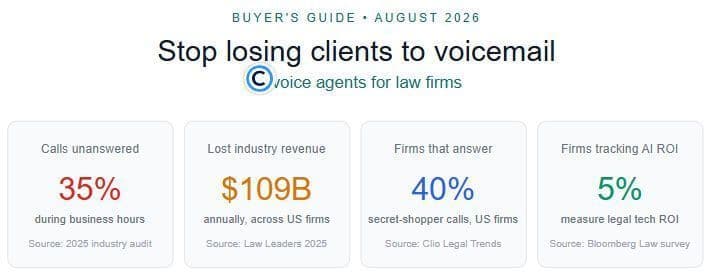
A vendor's advertised per-minute rate is rarely the full cost and if your firm takes calls from Illinois residents, BIPA...
Every prompt typed into a public AI tool is a document leaving your firm's walls. Here is a step-by-step guide to deploy...
A written AI policy can't stop an associate from pasting client facts into ChatGPT or catch a hallucinated citation befo...
I start with the workflow, the people responsible for it and the tools you already use. We assess whether an existing product meets the need, whether integration would close the gap, or whether custom engineering is justified. Data access, review requirements and ongoing maintenance all shape that decision. The first step is a clear scope with acceptance checks.
An existing system is often the starting point. I assess its available APIs, access permissions, data quality and workflow constraints before defining what can be connected or extended. We agree which system owns each record, what information can move between tools and where a person must review changes. Vendor restrictions and missing interfaces are identified during scoping.
We map what information the workflow needs, who may access it and where it will be processed. I help implement the agreed permissions, data boundaries and logging controls. Provider terms, retention settings and deployment options need review for your specific environment before sensitive data is connected. The scope identifies what can be used, what must stay out and who approves access.
We define what the system may read, recommend, prepare and execute before building it. Consequential actions follow agreed approval rules, with exceptions routed to a responsible person and an audit trail for review. Your attorneys make legal decisions; I build and test the software. The approval boundaries depend on the workflow and the responsibilities of the people using it.
We agree acceptance checks around the actual task: the information it should use, the output a reviewer needs and the actions it must never take. Testing can cover representative examples, missing or conflicting inputs, unsupported answers, permission boundaries and failed integrations. The handover records what was checked and the remaining limits, so your team can make an informed release decision.
Yes. Building toward an AI-native law firm or legal department can start with one recurring task that has a clear owner and usable inputs. We agree scope, review points and acceptance checks before building. We can define measures such as completion time, review effort or error rates against your current process. Expansion depends on what the workflow demonstrates and what your team can support, rather than an assumed return on investment.
Yes. A security assessment can stand on its own, with agreed testing boundaries, documented findings and prioritized remediation guidance. I assess the application areas and roles in scope, confirm relevant issues and explain their impact. Your team can implement the fixes, or implementation and retesting can be included in an agreed engagement. Active testing starts only after authorization.
Yes. I help teams prepare the technical controls and evidence needed before an audit or compliance review. Depending on the agreed scope, that includes identifying control gaps, implementing access and data-handling safeguards, documenting data flows and organizing evidence of how controls work. I work alongside your compliance owners and advisers; legal assessments, independent audits and certification decisions remain with the appropriate specialists.
Yes. I work with legal-tech founders, law firm owners and partners, and in-house teams including general counsel and legal operations leaders. I can own a defined workstream or work alongside your engineers and delivery partners on products, agents and integrations. We agree responsibilities, access and review points at the start. Handover includes scoped documentation, configuration and known limitations; ownership, ongoing maintenance and further support are agreed explicitly for the engagement.
A direct conversation with the engineer
Bring a product idea, an existing platform or a legal workflow you want to improve. We can define a useful first scope, the systems involved and how your team will review the result.
hkhantanoli@gmail.com

Hamza Khan
Legal AI, Cybersecurity
& Product Engineering
Map the workflow, the system owner and what a useful outcome means.
Agree the work, access, deliverables and acceptance criteria.
Implement or test, keeping findings and decisions visible.
Review the delivered behavior, document limits and agree next steps.